



Why we invest in nature

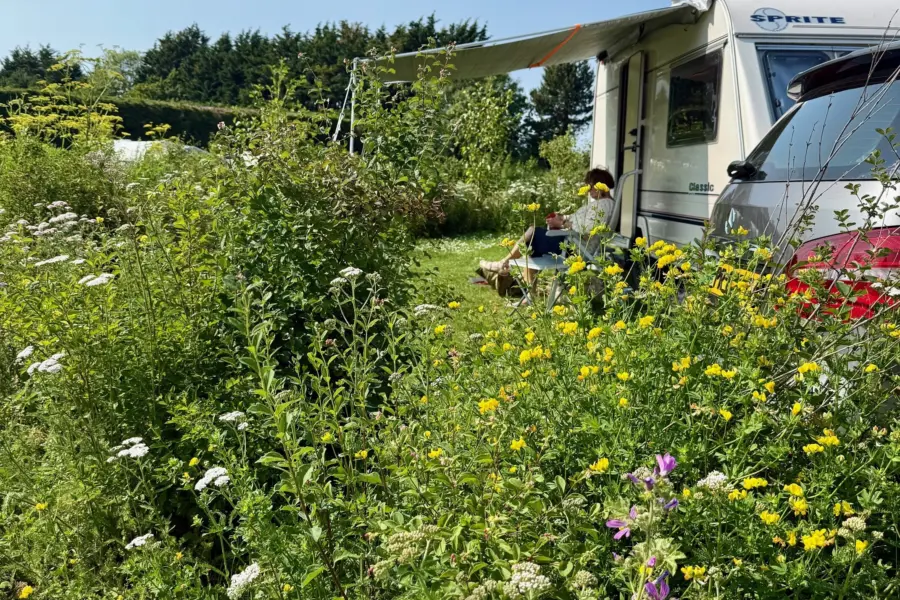
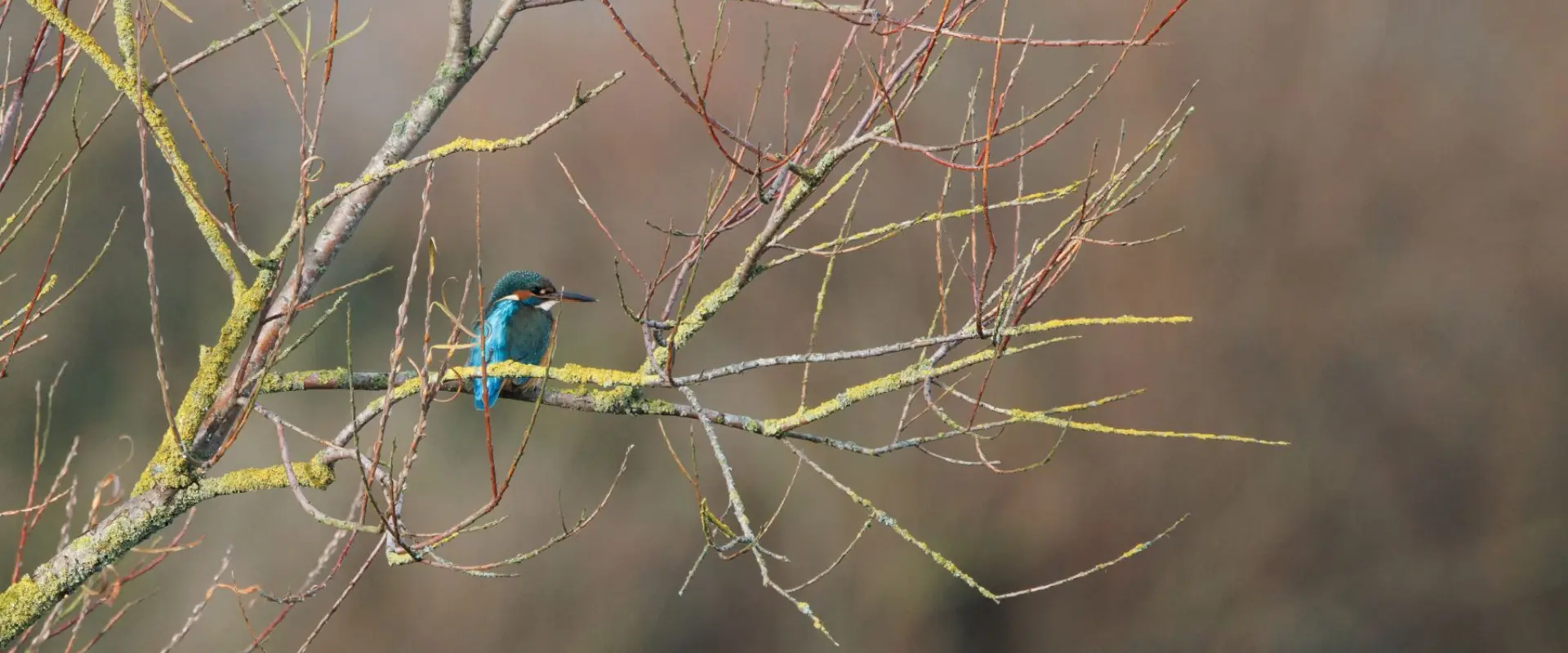
Who doesn’t love waking up to the sound of birdsong, surrounded by butterflies and flowers in full bloom? There is plenty of space at our campsite, and we are more than happy to share that space with nature. We invest in biodiversity and enjoy involving you in the choices we make. This is beneficial for nature, and wonderful for our guests.

Photo Kingfisher: Arie Kraak
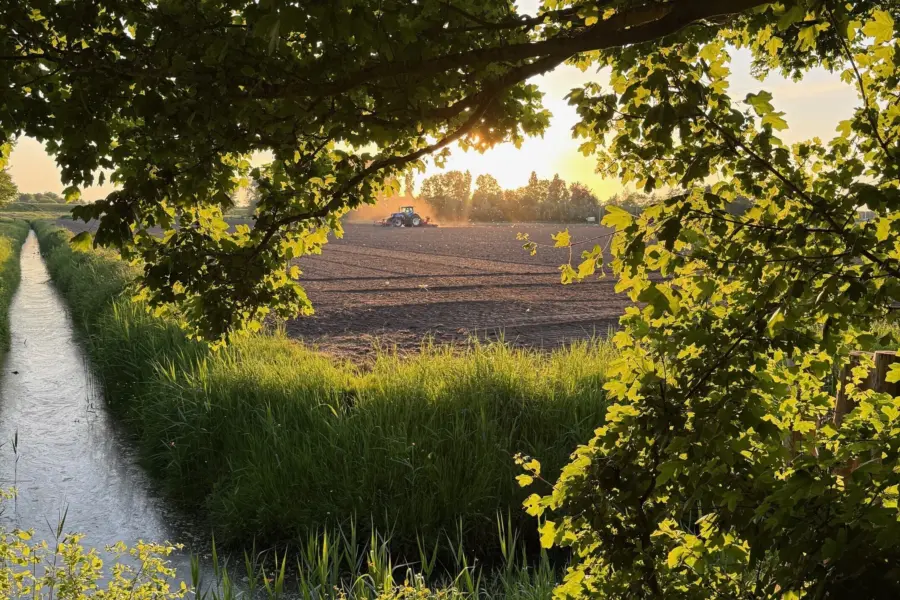
Eiken Weergors

Native vegetation

Ecologists have mapped out which trees, shrubs, and herbs naturally thrive here on the clay soil, taking our local groundwater levels into account. For your information, the water table is 40–80 cm below ground level in spring and more than 120 cm below ground level in autumn. Naturally, an Oak-Hornbeam forest is the perfect fit for our grounds. Tree species found in such a forest include the Pedunculate Oak, Hornbeam, Beech, Wild Cherry, and Small-leaved Lime. The shrub layer below includes Hazel, Hawthorn, Guelder Rose, and Buckthorn. In the herb layer, you will find species such as Wood Anemone, Yellow Archangel, Buttercup, and Lungwort. By using these specific species, we maximise the local biodiversity.

Handig naslagwerk

De ecologen van Buiting Advies hebben een handig boekje gemaakt waarin de boom-, struik- en kruidsoorten die hier passen zijn opgesomd. 
Download Basisinfo Biodiversiteit

Close
Play video
Schermafbeelding 2026 02 13 om 16 38 04

Nature-inclusive entrepreneurship

Together with our team, we are constantly learning how small (and sometimes large) adjustments can lend nature a helping hand. This yields immediate results. In 2025, for example, we participated in the "Nature-inclusive Entrepreneurship" training organised by IVN and the Province of South Holland.

Kamperen bloemen Weergors
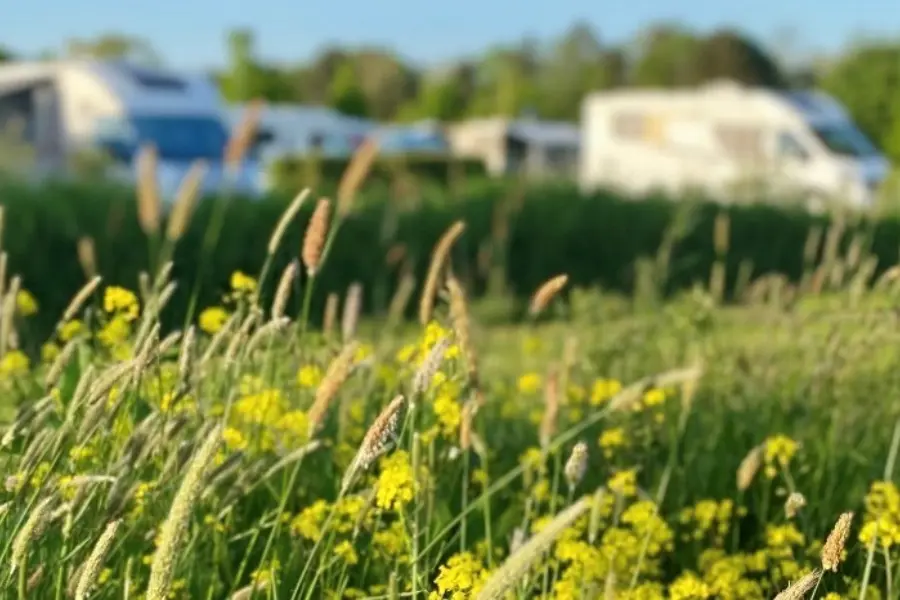
Bloemrijk grasland weergors
Wadi Weergors
Maaibeheer
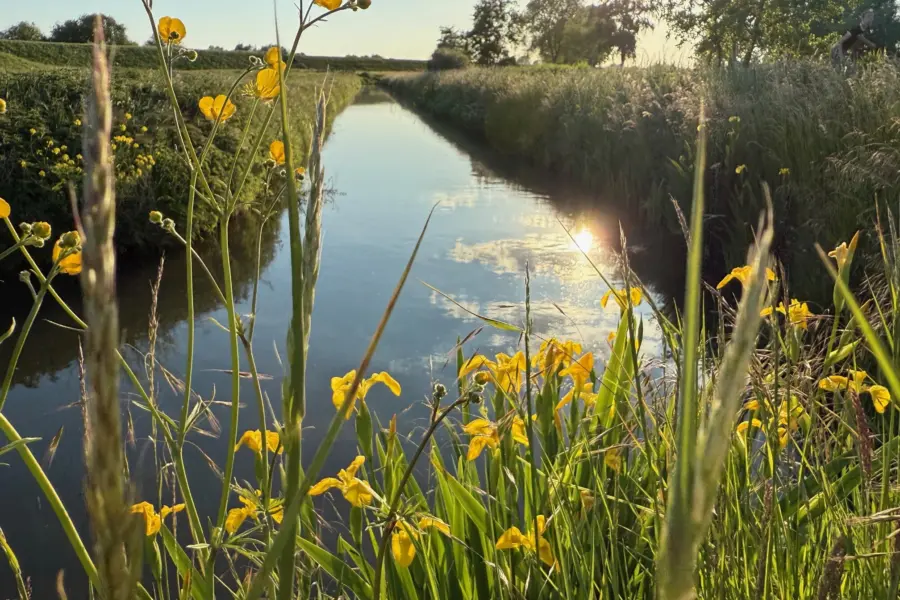
Bloemrijke slootrand Weergors

What you will see in practice

Sometimes our efforts and plans aren’t immediately visible, but across the grounds, you can truly see the difference our approach makes. A few examples:

  • Wadis: The wadis (infiltration zones) at the Leeuwerik field ensure gradual rainwater drainage and have been sown with a special herb mix.
  • Conifer replacement: Small patches of conifers across the campsite are being replaced by native species.
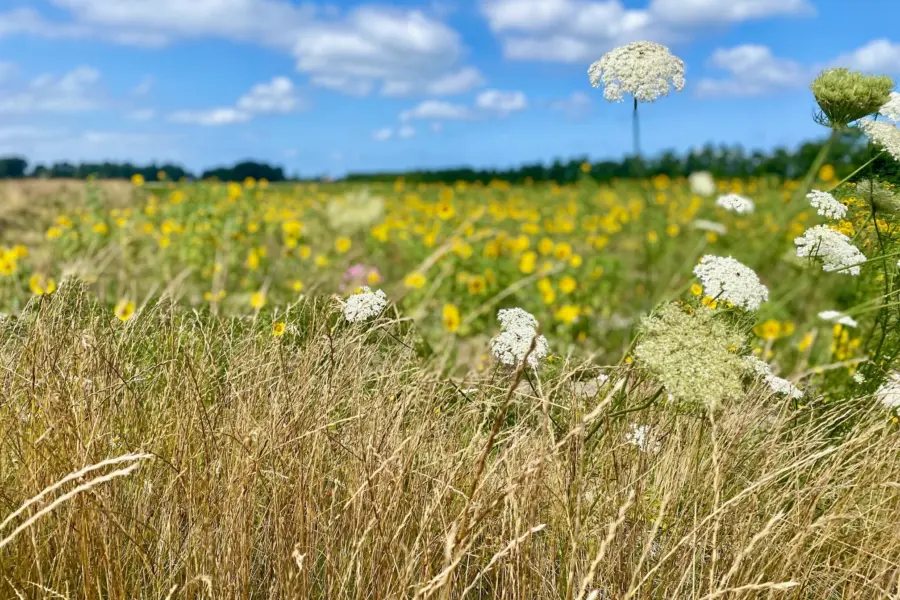
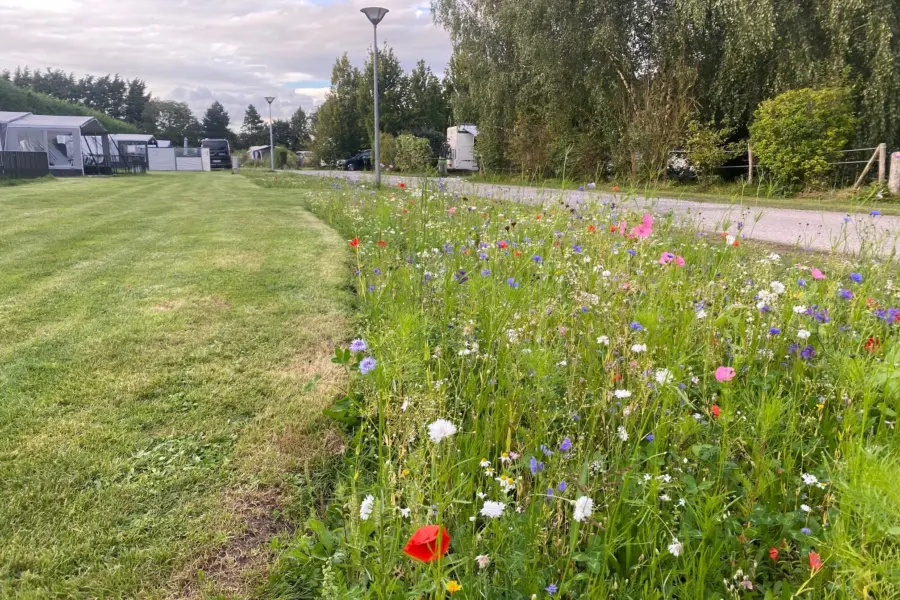
  • Ecological mowing: We no longer mow everything short; instead, we leave certain areas to grow wild. This is called ecological mowing management, which you can see near the fishing pond and the dog walking zone.
  • Bloom before pruning: We allow shrubs to flower fully before we start pruning.
  • Rich herb mixtures: We sow herb-rich mixes under new plantings to enrich the soil, which is clearly visible at the Weidevogel (Meadow Bird) pitches.
  • Young trees: Over the past two winters, we have planted about 3,000 young trees on the new grounds, strictly following the native species mentioned above.
  • Log habitats: Tree trunks left on the grass serve multiple purposes, including providing a vital shelter for insects.
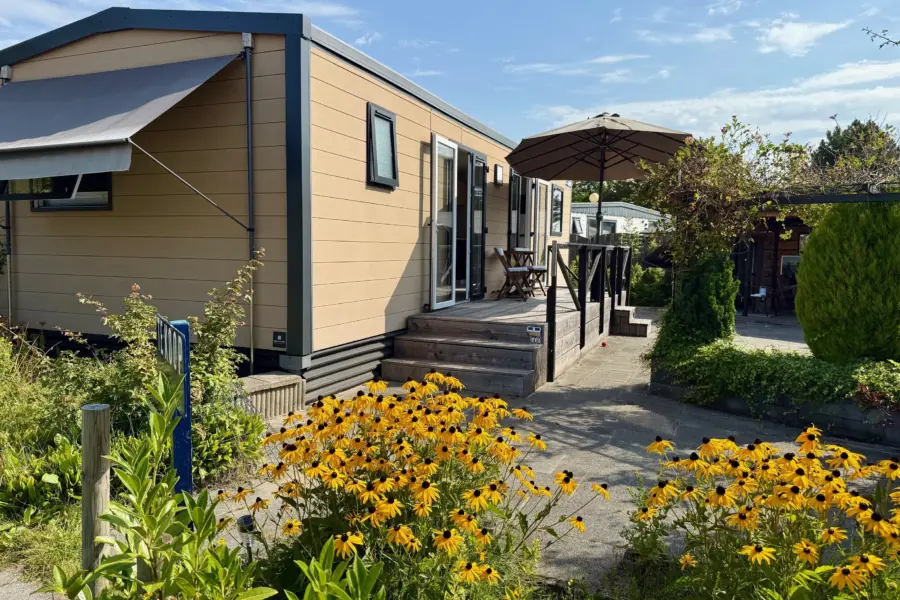
Camping t Weergors chalet te koop76

What can you do?

If you have a fixed pitch at the campsite, you are welcome to design your own garden within the guidelines you are familiar with. We highly encourage choosing a "green" garden. This means, for example:

  • Removing tiles: Swap paving for plants.
  • Prioritising greenery: Leave plenty of room for nature when redesigning.
  • Planting in open soil: Plant directly into the ground rather than just using pots and containers.
  • Choosing native species: Opt for plants that naturally belong in this environment.
  • Eco-friendly cleaning: Only use environmentally friendly cleaning products in your garden.
  • Rainwater harvesting: Collect rainwater to water your plants.

More inspiration

Briggenwirth Reegeit Quackjeswater
Briggenwirth Lepelaar Quakjeswater
Briggenwirth Natuur Weergors
Natuur Weergor
Watervogeltellingen Weergors 2

Nature lovers

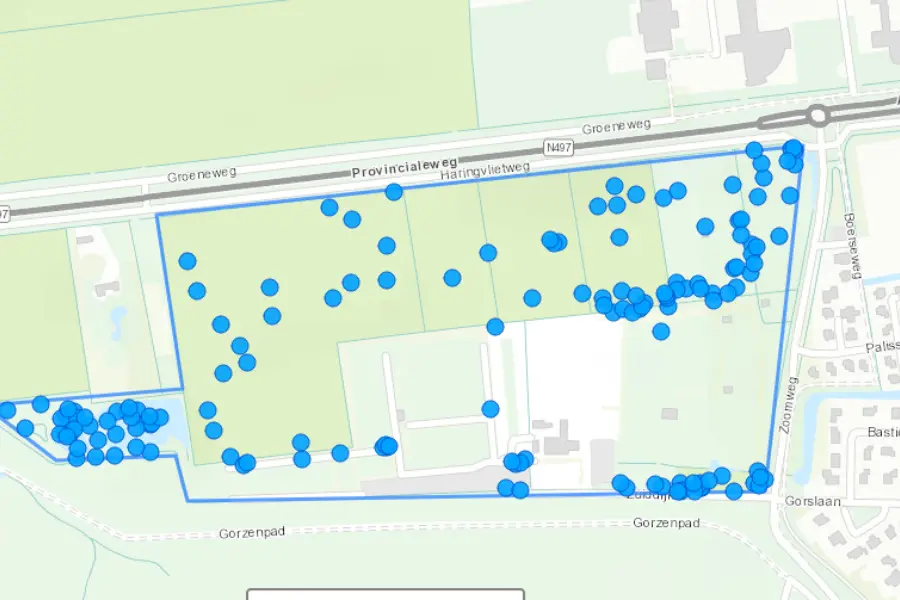
Many nature sightings are recorded at our campsite. If you click on the links below, you will see that certain areas are hotspots for birds and plants—around the Dijkwachterslodge, for example. This makes sense, as it’s a favourite spot for nature enthusiasts!

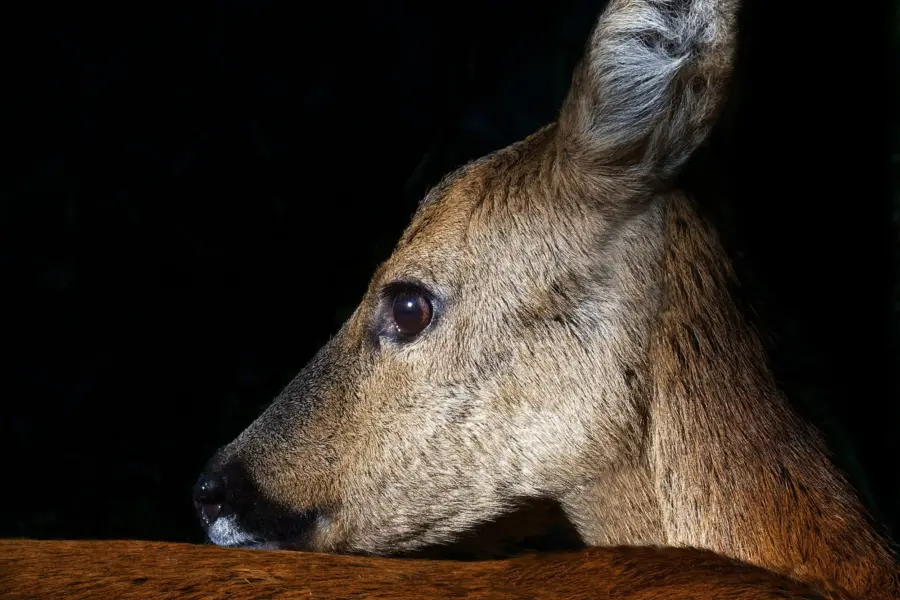
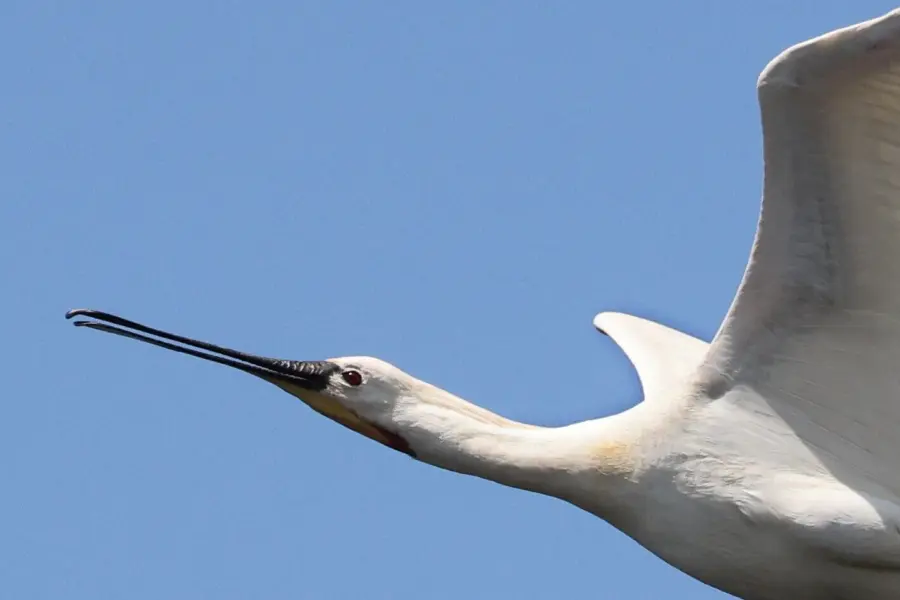
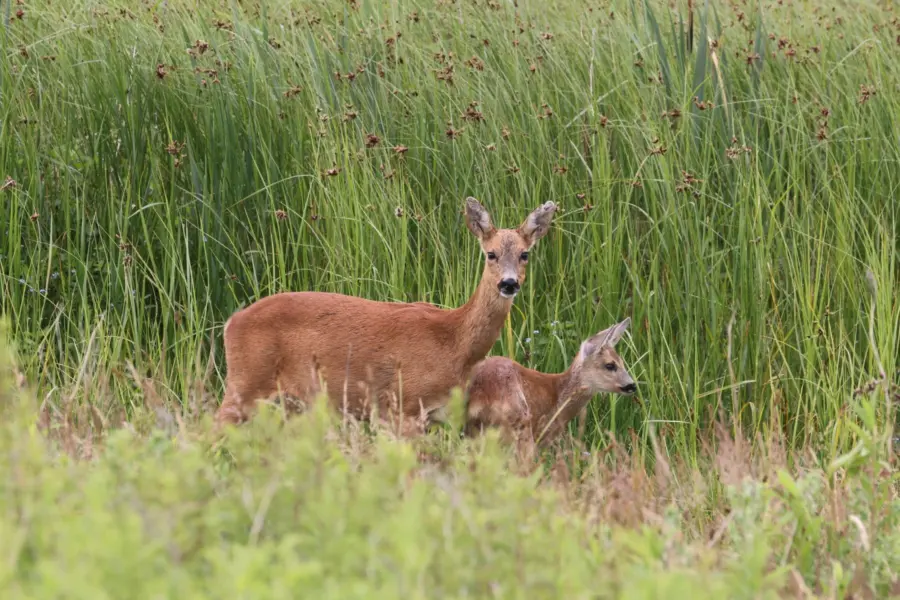
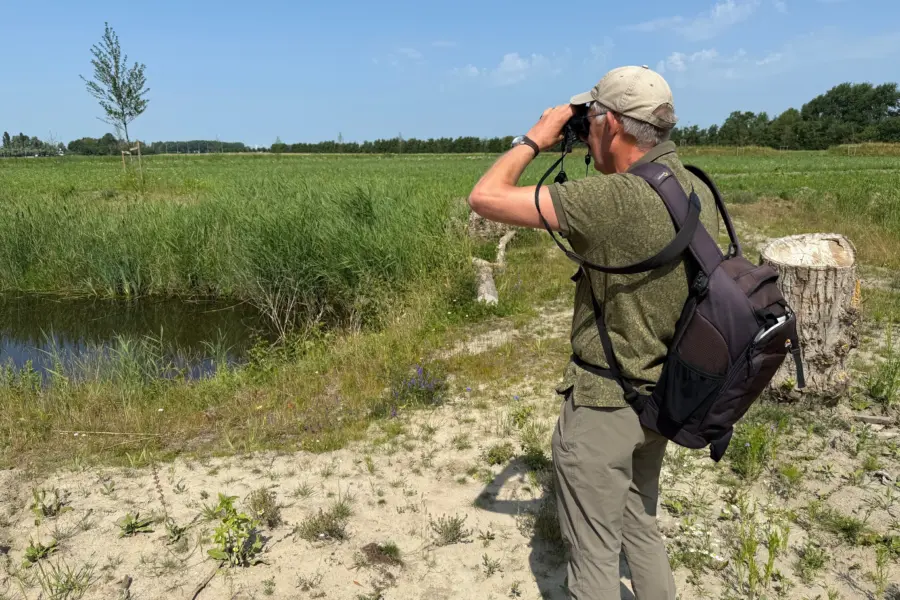
Additionally, working groups from the KNNV Nature Association regularly visit our grounds for counts and surveys. As you can see on the lists and maps, there is a lot to discover. We also occasionally receive stunning photos from our guests, such as the ones below by nature photographer Gerard Bruggenwirth.

Waterbirds Plants